

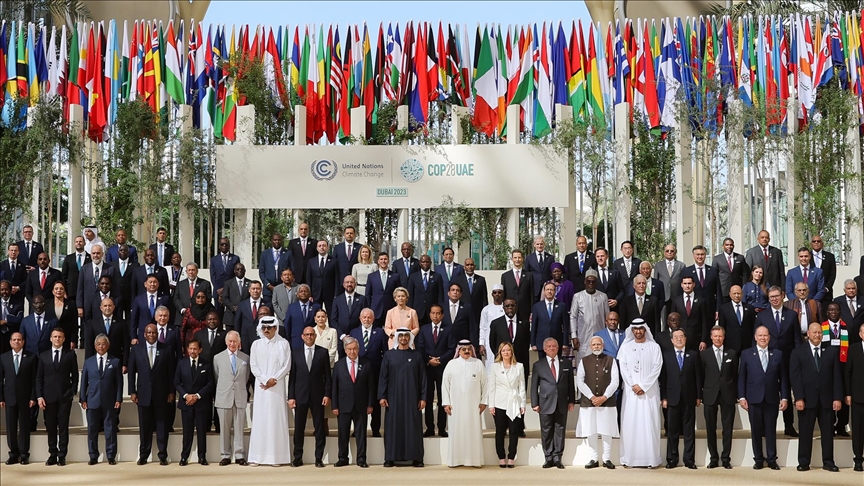
Global attention has once again turned toward environmental urgency as world leaders gather to confront the escalating climate crisis. Rising temperatures, extreme weather events, and environmental degradation have pushed nations to intensify cooperation and commit to stronger climate action. At the summit, discussions focus on reducing emissions, transitioning to clean energy, and building resilient economies capable of withstanding long-term environmental challenges that affect every region of the world.
Global Climate Policy Agreements
International Emission Reduction Targets
Countries are working together to set measurable emission reduction goals aimed at limiting global temperature rise. These targets encourage industries to adopt cleaner technologies and reduce reliance on fossil fuels for long-term environmental stability.
Cross-Border Environmental Cooperation
Nations are strengthening partnerships to address shared environmental challenges such as air pollution and deforestation. Collaborative efforts help create unified strategies that are more effective than isolated national policies.
Climate Finance Commitments
Wealthier nations are pledging financial support to developing countries to help them adapt to climate change. These funds support renewable energy projects, disaster preparedness, and sustainable infrastructure development.
Carbon Market Frameworks
Governments are expanding carbon trading systems that allow companies to offset emissions. These frameworks encourage businesses to invest in sustainable practices while maintaining economic growth.
Global Sustainability Standards
International organizations are establishing unified sustainability guidelines to ensure consistent environmental practices across industries and countries, promoting accountability and transparency.
Renewable Energy Transition
Solar Energy Expansion
Countries are rapidly increasing solar energy installations to reduce dependence on fossil fuels. Solar power is becoming a major source of clean and affordable electricity worldwide.
Wind Power Development
Wind farms are expanding both onshore and offshore, providing large-scale renewable energy solutions that help reduce greenhouse gas emissions.
Hydroelectric Power Growth
Hydropower remains a key renewable source, offering stable and continuous energy generation while supporting national electricity grids.
Green Hydrogen Innovation
Green hydrogen is emerging as a clean fuel alternative for industries that are difficult to decarbonize, such as shipping and manufacturing.
Energy Storage Advancements
Improved battery technologies are helping store renewable energy efficiently, ensuring stable power supply even when natural sources fluctuate.
Climate Adaptation Strategies
Disaster Risk Reduction Systems
Governments are investing in early warning systems to prepare for floods, hurricanes, and heatwaves, reducing loss of life and property damage.
Climate-Resilient Infrastructure
New infrastructure projects are being designed to withstand extreme weather conditions, ensuring long-term durability and safety.
Urban Climate Planning
Cities are redesigning urban spaces with green areas and improved drainage systems to cope with rising temperatures and heavy rainfall.
Agricultural Adaptation Techniques
Farmers are adopting climate-resistant crops and advanced irrigation methods to maintain food security under changing weather conditions.
Water Resource Management
Efficient water conservation strategies are being implemented to address shortages and ensure sustainable usage across regions.
Environmental Protection Policies
Deforestation Control Measures
Strict regulations are being enforced to reduce deforestation and protect biodiversity in critical ecosystems.
Wildlife Conservation Programs
Governments and organizations are working to protect endangered species and preserve natural habitats through conservation initiatives.
Ocean Protection Initiatives
Efforts are underway to reduce marine pollution and protect ocean ecosystems from plastic waste and overfishing.
Air Quality Improvement Policies
Stricter emission standards are being introduced to reduce air pollution in major cities and industrial zones.
Waste Management Reforms
Countries are adopting recycling programs and waste reduction strategies to minimize environmental impact.
Climate Technology Innovations
Carbon Capture Systems
Advanced technologies are being developed to capture and store carbon emissions from industrial sources.
Climate Monitoring Satellites
Satellite systems provide real-time data on global climate patterns, helping scientists track environmental changes more accurately.
AI-Based Climate Modeling
Artificial intelligence is being used to predict climate trends and assess the impact of environmental policies.
Smart Energy Grids
Digital energy grids optimize electricity distribution and integrate renewable energy sources efficiently.
Sustainable Material Development
Researchers are creating eco-friendly materials that reduce environmental harm and support green construction practices.
Economic Impact of Climate Action
Green Job Creation
The shift to renewable energy is generating new employment opportunities in sustainable industries worldwide.
Industrial Transformation
Traditional industries are adapting to cleaner technologies to meet environmental regulations and reduce emissions.
Investment in Green Technology
Businesses are increasing funding in climate-friendly innovations to remain competitive in a changing global economy.
Cost of Climate Inaction
Failure to address climate change is projected to cause significant economic losses due to disasters and resource scarcity.
Sustainable Economic Growth Models
Countries are adopting growth strategies that balance economic development with environmental protection.
Global Climate Cooperation Future
International Climate Agreements
Nations continue to negotiate stronger agreements aimed at limiting global warming and ensuring accountability.
Technology Sharing Partnerships
Developed countries are sharing clean technologies with developing nations to accelerate global sustainability efforts.
Climate Education Initiatives
Awareness programs are being introduced to educate citizens about environmental responsibility and sustainable living.
Youth Climate Movements
Young activists are playing a growing role in demanding stronger climate action from governments worldwide.
Long-Term Carbon Neutral Goals
Many countries have set long-term targets to achieve net-zero emissions within the coming decades.
FAQ Section
Why are world leaders focusing on climate change?
Because it poses global risks to ecosystems, economies, and human health.
What is a climate summit?
It is a global meeting where leaders discuss environmental policies and agreements.
How does renewable energy help the climate?
It reduces greenhouse gas emissions and dependence on fossil fuels.
What is carbon neutrality?
It means balancing emitted carbon with an equivalent amount removed from the atmosphere.
Can climate change be reversed?
It can be slowed and managed, but requires global cooperation and action.
Conclusion
World leaders addressing the climate crisis reflects growing global urgency to protect the planet through cooperation, innovation, and sustainable policies. With investments in renewable energy, climate adaptation, and environmental protection, nations are working toward a safer future. Continued collaboration and decisive action will be essential to ensuring long-term environmental stability for generations ahead.