

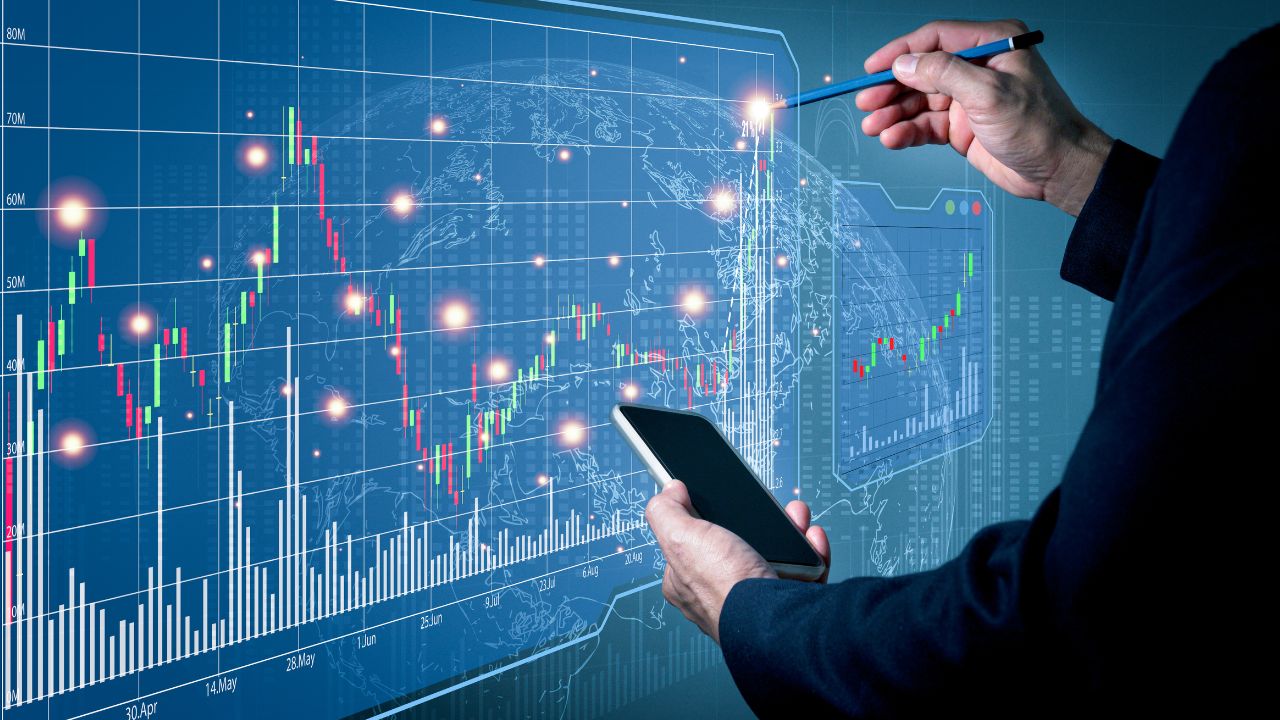
The global economy is showing renewed momentum as multiple indicators point toward a stronger recovery after recent periods of uncertainty and slowdown. Improved trade activity, stabilizing inflation trends, and rising consumer confidence are contributing to a more optimistic outlook. Governments and financial institutions are implementing supportive policies that encourage investment, job creation, and industrial growth, signaling a gradual but steady return to economic stability across many regions.
Global Trade Recovery Trends
Export Growth Expansion
International trade is rebounding as countries experience increased demand for goods and services. Export-driven economies are benefiting from stronger global supply chains and improved manufacturing output, supporting overall economic recovery.
Supply Chain Stabilization
Logistics networks are becoming more stable after disruptions in recent years. Improved shipping efficiency and reduced bottlenecks are helping businesses operate more smoothly and meet global demand effectively.
Import Demand Recovery
Consumer demand for imported goods is rising as purchasing power improves in many regions. This is helping balance global trade flows and stimulate economic activity across markets.
Regional Trade Agreements
Countries are strengthening trade partnerships through new agreements that reduce tariffs and improve cooperation. These agreements are enhancing cross-border commerce and encouraging investment.
Digital Trade Expansion
E-commerce and digital services trade are growing rapidly, enabling businesses to reach global customers more efficiently and driving economic growth in the digital sector.
Inflation Stabilization and Monetary Policy
Interest Rate Adjustments
Central banks are carefully adjusting interest rates to control inflation while supporting economic growth. These balanced policies aim to maintain financial stability.
Price Level Stabilization
Inflation rates in many countries are beginning to stabilize, improving consumer purchasing power and boosting economic confidence.
Currency Exchange Stability
Foreign exchange markets are showing reduced volatility, helping international trade and investment decisions become more predictable.
Central Bank Coordination
Global financial institutions are collaborating to manage inflation risks and maintain economic stability across interconnected markets.
Monetary Policy Optimization
Governments are refining monetary strategies to ensure sustainable growth without triggering excessive inflation or recession risks.
Employment and Labor Market Growth
Job Creation Recovery
Employment opportunities are increasing as businesses expand operations and invest in new projects, contributing to economic recovery.
Workforce Skill Development
Training programs are helping workers adapt to new technologies and industries, improving employability and productivity.
Remote Work Expansion
Flexible work models continue to grow, allowing companies to access global talent and improve workforce efficiency.
Youth Employment Programs
Governments are introducing initiatives to support young workers and reduce unemployment rates among new graduates.
Labor Market Stability
Employment conditions are becoming more stable as hiring rates improve and layoffs decrease across multiple sectors.
Industrial and Manufacturing Growth
Production Capacity Increase
Factories are increasing output to meet rising demand, supporting industrial recovery and economic expansion.
Automation Integration
Manufacturers are adopting automation technologies to improve efficiency and reduce operational costs.
Supply Chain Manufacturing Recovery
Global production networks are recovering, enabling smoother distribution of raw materials and finished goods.
Green Manufacturing Transition
Industries are shifting toward sustainable production methods to reduce environmental impact and meet regulatory standards.
Industrial Investment Growth
Increased capital investment in manufacturing is driving innovation and long-term economic development.
Financial Market Performance
Stock Market Recovery
Global stock markets are showing upward trends as investor confidence improves and economic conditions stabilize.
Investment Flow Increase
Foreign and domestic investments are rising, supporting business expansion and economic growth.
Banking Sector Stability
Banks are strengthening financial positions, improving lending capacity and supporting economic activity.
Credit Availability Expansion
Access to credit is improving for businesses and individuals, encouraging spending and investment.
Digital Finance Growth
Fintech services are expanding rapidly, making financial systems more accessible and efficient worldwide.
Consumer Confidence and Spending
Retail Market Growth
Consumer spending is increasing as confidence improves, driving growth in retail and service sectors.
E-Commerce Expansion
Online shopping continues to grow, offering convenience and wider product access for consumers globally.
Household Income Improvement
Rising wages in several regions are boosting household income and spending capacity.
Tourism Industry Recovery
Travel and tourism sectors are recovering, contributing significantly to economic growth in many countries.
Luxury Market Revival
High-end consumer markets are experiencing renewed demand as economic conditions improve.
Future Economic Outlook
Sustainable Growth Models
Economies are focusing on long-term sustainability to ensure balanced growth and environmental responsibility.
Technological Economic Integration
Digital technologies, including AI and automation, are playing a major role in shaping future economic systems.
Global Collaboration Expansion
International cooperation is strengthening to manage economic risks and promote shared prosperity.
Resilience Building Strategies
Governments are implementing policies to make economies more resilient to future shocks and disruptions.
Long-Term Investment Planning
Businesses and governments are prioritizing long-term investments to support stable and continuous economic growth.
FAQ Section
Why is the global economy recovering?
Because of improved trade, stable inflation, and rising consumer confidence.
Which sectors are driving recovery?
Manufacturing, finance, technology, and retail sectors are leading growth.
Is inflation under control globally?
Inflation is stabilizing in many regions due to monetary policy actions.
How does technology impact economic recovery?
It improves productivity, efficiency, and global connectivity across industries.
Will economic recovery continue in the future?
It is expected to continue if stability and investment trends remain positive.
Conclusion
The global economy is showing strong signs of recovery driven by improving trade, stable financial conditions, and rising consumer confidence. With supportive policies and technological advancements, industries are regaining momentum. Continued global cooperation and sustainable strategies will be essential to maintaining long-term economic stability and ensuring balanced growth worldwide.