

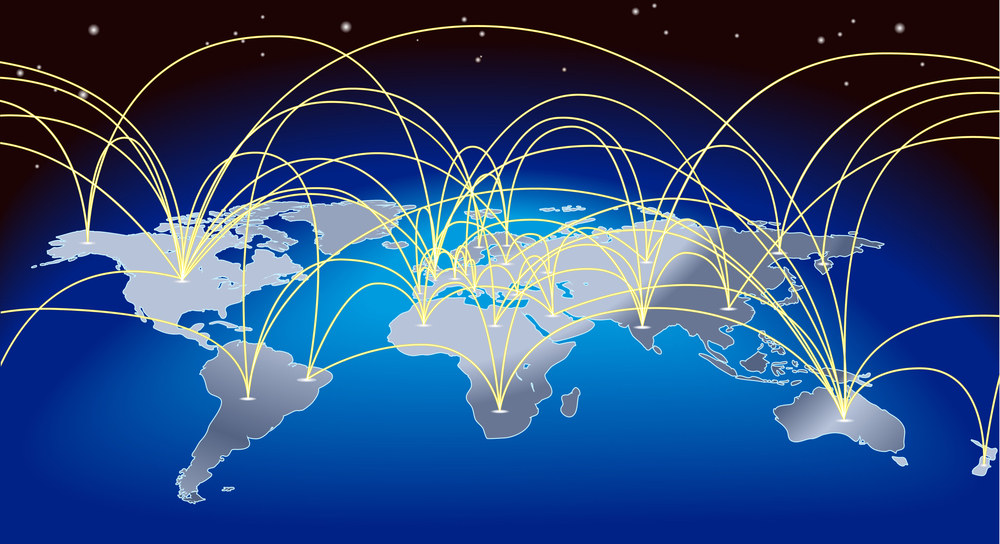
Global economic relations are entering a new phase as major nations reach consensus on updated trade policies aimed at improving stability, fairness, and long-term growth. These agreements reflect shifting global supply chains, rising digital commerce, and the need for more resilient economic frameworks. By adjusting tariffs, strengthening cooperation, and modernizing trade rules, countries are working to create a more balanced and predictable global trading system.
Global Trade Agreement Reforms
Tariff Reduction Frameworks
Countries are agreeing to reduce tariffs on key goods to encourage smoother cross-border trade. These reductions help lower costs for consumers and improve competitiveness for exporters across global markets.
Standardized Trade Regulations
Nations are aligning trade rules to reduce inconsistencies that previously slowed international commerce. Standardization improves efficiency and reduces legal and administrative barriers for businesses operating globally.
Digital Trade Policy Updates
New agreements now include regulations for digital goods and services. This ensures fair taxation, data protection, and smoother operation of e-commerce platforms across borders.
Dispute Resolution Mechanisms
Strengthened systems are being introduced to resolve trade disputes more quickly. These mechanisms reduce economic uncertainty and prevent prolonged trade conflicts between nations.
Trade Transparency Measures
Governments are committing to greater transparency in trade practices. This helps build trust between nations and encourages fair competition in global markets.
Supply Chain Restructuring
Diversified Manufacturing Bases
Countries are encouraging companies to spread production across multiple regions. This reduces dependency on single suppliers and improves global supply chain resilience.
Logistics Network Optimization
Advanced planning systems are being used to improve shipping routes and reduce delays. This enhances efficiency and lowers transportation costs worldwide.
Strategic Resource Allocation
Governments are prioritizing critical resources to ensure stable supply during global disruptions. This helps maintain essential production flows.
Regional Supply Integration
Neighboring countries are strengthening regional supply chains to improve trade efficiency and reduce reliance on distant markets.
Risk Management Systems
New frameworks are being introduced to identify and mitigate supply chain risks, ensuring smoother global trade operations.
Economic Cooperation Expansion
Bilateral Trade Partnerships
Countries are forming stronger bilateral agreements that encourage investment and improve trade relations between specific nations.
Multilateral Trade Alliances
Larger trade blocs are expanding cooperation to include more countries, increasing market access and economic integration.
Investment Protection Agreements
New policies are designed to protect foreign investments and encourage long-term economic collaboration.
Development Support Programs
Wealthier nations are supporting developing economies through trade incentives and financial assistance programs.
Cross-Border Business Facilitation
Simplified regulations are helping businesses operate more easily across international boundaries.
Digital Economy Trade Growth
E-Commerce Regulation Frameworks
Governments are creating rules to regulate online trade, ensuring consumer protection and fair competition in digital markets.
Cross-Border Data Policies
New agreements govern how data is shared internationally, balancing privacy concerns with economic efficiency.
Fintech Trade Integration
Financial technology services are becoming part of trade agreements, improving global payment systems and financial connectivity.
Digital Taxation Systems
Countries are implementing fair taxation rules for digital companies operating across multiple jurisdictions.
Cyber Trade Security Measures
Enhanced cybersecurity policies protect digital trade systems from fraud and cyberattacks, ensuring safer transactions.
Manufacturing and Industrial Trade
Industrial Export Growth
Manufacturing exports are increasing as global demand strengthens, supporting economic recovery in producing nations.
Technology Transfer Agreements
Countries are sharing advanced technologies to improve industrial productivity and innovation capacity.
Green Manufacturing Standards
New environmental standards encourage cleaner production methods in international trade agreements.
Automation-Driven Production
AI and robotics are improving manufacturing efficiency and reducing production costs in global industries.
Raw Material Trade Stability
Policies are being implemented to ensure consistent access to essential raw materials for industrial production.
Financial and Currency Cooperation
Currency Stability Agreements
Nations are coordinating policies to reduce exchange rate volatility and improve financial predictability.
International Banking Collaboration
Global banks are strengthening partnerships to support cross-border transactions and investments.
Trade Financing Support
Financial institutions are expanding credit facilities to support international trade activities.
Digital Payment Integration
Cross-border digital payment systems are making international transactions faster and more efficient.
Economic Risk Mitigation
Coordinated financial strategies are helping reduce risks associated with global trade fluctuations.
Future of Global Trade Systems
AI-Driven Trade Management
Artificial intelligence is being used to optimize trade routes, forecast demand, and manage logistics efficiently.
Sustainable Trade Policies
Future trade agreements will focus more on environmental sustainability and responsible resource usage.
Blockchain-Based Trade Systems
Blockchain technology is improving transparency and security in international trade documentation.
Real-Time Trade Monitoring
Digital systems are enabling real-time tracking of goods and transactions across global supply chains.
Global Economic Integration
Countries are moving toward deeper economic integration through shared policies and interconnected markets.
FAQ Section
Why are nations updating trade policies?
To improve global economic stability and adapt to modern trade challenges.
How do trade agreements benefit countries?
They reduce costs, increase market access, and strengthen economic cooperation.
What is digital trade?
It involves the exchange of goods, services, and data through online platforms.
How do trade policies affect consumers?
They influence prices, product availability, and market competition.
Are global trade systems becoming more connected?
Yes, countries are increasingly integrating their economies through new agreements.
Conclusion
Major nations agreeing on new trade policies reflects a global effort to modernize and stabilize international commerce. Through improved regulations, digital integration, and stronger cooperation, countries are building a more efficient and resilient trade system. These developments are expected to enhance economic growth and strengthen global partnerships in the years ahead.