

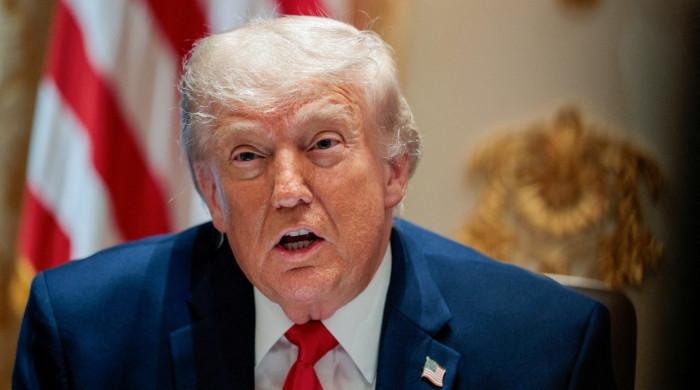
Latest political news and national affairs updates continue to shape the direction of governments, economies, and societies worldwide. Citizens closely follow political developments to understand how decisions made by leaders affect public services, economic growth, national security, and international relations. From legislative reforms and government policies to diplomatic engagements and governance initiatives, political events influence everyday life in significant ways. Staying informed about national affairs helps people better understand emerging challenges, opportunities, and the broader political landscape while encouraging greater civic awareness and participation in democratic processes.
Government Policy Developments
Economic Reform Initiatives
Governments continue introducing economic reform measures aimed at improving fiscal stability, attracting investment, and supporting sustainable growth. Current discussions focus on taxation policies, infrastructure funding, and regulatory improvements. Experts believe these reforms could strengthen economic resilience while addressing long-term financial challenges affecting national development and prosperity.
Public Sector Modernization
Public institutions are increasingly adopting digital technologies and administrative reforms to improve efficiency and transparency. Modernization initiatives focus on streamlining services, reducing bureaucracy, and enhancing citizen engagement. These efforts are intended to strengthen governance systems while ensuring public resources are managed effectively and responsibly nationwide.
Legislative Policy Priorities
Lawmakers remain focused on debating and reviewing important legislation covering education, healthcare, economic growth, and governance. Parliamentary discussions reflect diverse perspectives on national priorities and policy implementation. These legislative activities help shape future regulations and influence how government objectives are achieved across different sectors.
Infrastructure Development Plans
National infrastructure projects continue receiving significant attention from policymakers and development agencies. Investments in transportation, energy, and communication networks aim to improve connectivity and support economic growth. Such projects are expected to create employment opportunities while strengthening the foundation for future national progress and development.
Governance Accountability Measures
Governments are implementing stronger accountability frameworks to improve transparency and public trust. Oversight mechanisms, performance evaluations, and compliance reviews help ensure responsible administration. These measures aim to strengthen institutional credibility, promote ethical governance practices, and enhance the effectiveness of public service delivery nationwide.
Parliamentary Affairs
Legislative Session Highlights
Recent parliamentary sessions have featured extensive discussions on economic policies, governance reforms, and social welfare initiatives. Members have debated key proposals affecting national development and public interests. These sessions play a critical role in shaping legislation and determining the direction of government priorities moving forward.
Cross-Party Cooperation Efforts
Political parties continue engaging in dialogue to address major national issues and legislative matters. Cooperation between different political groups helps facilitate consensus-building and policy progress. Such collaborative efforts demonstrate the importance of constructive political engagement in achieving solutions that benefit citizens and national institutions.
Committee Review Activities
Parliamentary committees remain actively involved in examining legislation, conducting oversight, and gathering expert input. Their detailed reviews help lawmakers make informed decisions regarding policy proposals. Committee findings often influence legislative outcomes and contribute to more effective governance through comprehensive evaluation and recommendations.
Constitutional Debate Discussions
Constitutional issues continue attracting attention among political leaders, legal experts, and citizens. Discussions focus on governance structures, institutional responsibilities, and democratic principles. These debates contribute to ongoing efforts aimed at strengthening constitutional frameworks while ensuring they remain responsive to changing national circumstances and expectations.
Opposition Policy Responses
Opposition parties regularly provide alternative perspectives on government initiatives and legislative proposals. Their critiques and recommendations encourage accountability and stimulate public debate. Through active participation, opposition representatives contribute to democratic governance by highlighting concerns and presenting different approaches to addressing national challenges.
National Affairs Overview
Public Service Improvements
Governments continue implementing programs designed to enhance public services across multiple sectors. Improvements in transportation, administrative processes, and community services aim to increase accessibility and efficiency. These initiatives reflect broader commitments to improving citizens’ quality of life while supporting long-term national development goals effectively.
Education Sector Updates
Educational reforms remain a priority as policymakers work to improve learning outcomes and workforce preparedness. Current efforts focus on curriculum development, teacher training, and technology integration. These initiatives aim to equip students with relevant skills while addressing challenges facing modern education systems nationwide today.
Healthcare System Progress
Healthcare authorities continue expanding access to medical services and improving healthcare infrastructure. Investments in hospitals, healthcare technology, and workforce development support better patient outcomes. These efforts demonstrate ongoing commitments to strengthening public health systems and ensuring communities receive quality healthcare services consistently.
| National Affairs Area | Current Focus | Expected Impact |
|---|---|---|
| Education | Curriculum reforms | Better learning outcomes |
| Healthcare | Service expansion | Improved public health |
| Infrastructure | Development projects | Enhanced connectivity |
| Governance | Administrative reforms | Greater efficiency |
Social Welfare Programs
Social welfare initiatives remain essential components of national development strategies. Programs supporting housing, employment, and financial assistance help address the needs of vulnerable populations. Policymakers continue refining these initiatives to promote social inclusion, reduce inequalities, and strengthen community well-being across regions.
National Security Priorities
National security remains a central concern for governments seeking to protect citizens and institutions. Strategic planning, risk assessments, and preparedness measures help address emerging threats. Ongoing security efforts support stability while ensuring the nation remains capable of responding effectively to various challenges and uncertainties.
Political Leadership Updates
Executive Leadership Decisions
Political leaders continue making decisions that influence governance, economic planning, and national priorities. Executive actions often shape policy implementation and administrative direction. These decisions play an important role in determining how governments respond to challenges while pursuing development objectives and public expectations.
Cabinet-Level Activities
Cabinet officials regularly meet to discuss policy initiatives, economic strategies, and sector-specific reforms. Their coordination helps ensure consistency across government departments and supports effective implementation. Cabinet activities provide insights into current priorities and potential future directions within national governance frameworks and policies.
Regional Leadership Engagement
Regional leaders play a crucial role in connecting local communities with national institutions. Their efforts include managing development projects, addressing local concerns, and facilitating communication. Strong regional leadership supports balanced development while ensuring policies are responsive to the needs of diverse populations nationwide.
Political Party Strategies
Political organizations continue adapting strategies to address changing voter expectations and political conditions. Policy development, public outreach, and organizational planning remain central priorities. These strategic efforts influence political competition while shaping broader discussions about governance, leadership, and future national development goals.
Public Communication Initiatives
Political leaders increasingly rely on various communication platforms to engage with citizens and share information. Effective communication promotes transparency and public understanding of government actions. These initiatives help strengthen trust while encouraging greater civic participation in discussions concerning national issues and policies.
Economic and Political Impact
Market Response to Policies
Financial markets often react to political developments and government announcements. Changes in economic policies can influence investor confidence, business activity, and market performance. Understanding these reactions provides valuable insights into how political decisions affect economic conditions and broader financial stability nationwide today.
Investment Climate Trends
Political stability and policy consistency remain important factors influencing investment decisions. Governments continue pursuing reforms designed to attract domestic and foreign investors. A favorable investment environment supports economic growth, encourages innovation, and creates opportunities for businesses seeking expansion and long-term success.
Employment Policy Discussions
Employment remains a major topic within political and economic debates. Policymakers focus on job creation, workforce development, and labor market reforms. These discussions aim to address unemployment challenges while improving opportunities for workers and supporting sustainable economic growth across different industries and regions.
Fiscal Management Strategies
Governments continue balancing spending priorities with revenue generation to maintain fiscal stability. Budget planning involves evaluating infrastructure investments, social programs, and economic initiatives. Effective fiscal management helps support public services while ensuring resources are allocated efficiently to meet national development objectives.
Business Community Perspectives
Business leaders closely monitor political developments that may affect regulations, investments, and market conditions. Their perspectives contribute to policy discussions and economic planning. Constructive engagement between businesses and governments can support competitiveness, innovation, and sustainable growth across key sectors of the economy.
International Relations and Diplomacy
Bilateral Cooperation Initiatives
Countries continue strengthening bilateral relationships through agreements covering trade, education, security, and investment. These partnerships promote mutual benefits while supporting diplomatic objectives. Enhanced cooperation helps nations address shared challenges and create opportunities for economic and social development through collaborative efforts.
Regional Diplomatic Engagement
Regional diplomacy plays a vital role in fostering stability and cooperation among neighboring countries. Discussions often focus on economic integration, infrastructure projects, and security concerns. Effective regional engagement supports collective progress while strengthening relationships that contribute to long-term peace and prosperity.
Global Policy Participation
National representatives actively participate in international organizations and forums addressing global challenges. Their involvement helps shape discussions on economic development, environmental sustainability, and international security. Participation in global policymaking strengthens diplomatic influence while promoting national interests within the international community effectively.
Trade Partnership Developments
Trade agreements and economic partnerships continue influencing national growth strategies. Governments seek opportunities to expand exports, attract investment, and improve market access. Strong trade relationships contribute to economic development while enhancing competitiveness and creating benefits for businesses and consumers alike.
Strategic Foreign Policy Goals
Foreign policy strategies focus on protecting national interests while fostering productive international relationships. Policymakers regularly evaluate global developments and adjust diplomatic approaches accordingly. Strategic planning helps ensure effective engagement with international partners while supporting economic, security, and development objectives over time.
Future Political Outlook
Emerging Governance Priorities
Governments continue identifying new priorities influenced by technological advances, economic conditions, and public expectations. Future agendas may emphasize innovation, sustainability, and institutional modernization. These priorities reflect efforts to prepare for evolving challenges while supporting long-term national development and competitiveness goals effectively.
Electoral Landscape Changes
Political analysts closely monitor developments that may influence future elections and voter behavior. Leadership performance, policy outcomes, and public sentiment remain significant factors. Understanding electoral trends provides valuable insights into potential political shifts and their implications for governance and national affairs.
Administrative Innovation Trends
Public institutions are increasingly exploring innovative approaches to governance and service delivery. Digital transformation and data-driven decision-making continue gaining importance. These trends have the potential to improve efficiency, transparency, and responsiveness while enhancing the overall effectiveness of government operations nationwide.
Citizen Engagement Expectations
Citizens increasingly expect greater involvement in policy discussions and governance processes. Governments are developing mechanisms that encourage participation and feedback. Meeting these expectations can strengthen democratic institutions while fostering stronger relationships between public authorities and the communities they serve effectively.
Long-Term National Vision
Strategic planning remains essential for guiding future development and addressing emerging opportunities. Long-term visions typically focus on economic growth, social progress, infrastructure expansion, and sustainability. A clear national direction helps coordinate efforts across sectors while supporting shared goals and aspirations nationwide.
What is included in political news updates?
Political news includes government policies, legislation, leadership decisions, elections, and national affairs.
Why are national affairs important?
National affairs influence governance, public services, economic conditions, and societal development.
How do political decisions affect citizens?
Political decisions impact employment, taxation, healthcare, education, and public services.
What role does parliament play in governance?
Parliament debates laws, reviews policies, and oversees government activities.
Why should people follow political developments?
Staying informed helps citizens understand national priorities and participate in democratic processes.
Conclusion
Political news and national affairs updates provide valuable insights into governance, economic developments, and public policy decisions. From legislative reforms and leadership actions to diplomatic initiatives and social programs, these events shape the nation’s future. Staying informed enables citizens to better understand current challenges, evaluate policy outcomes, and engage meaningfully in democratic and civic activities.