

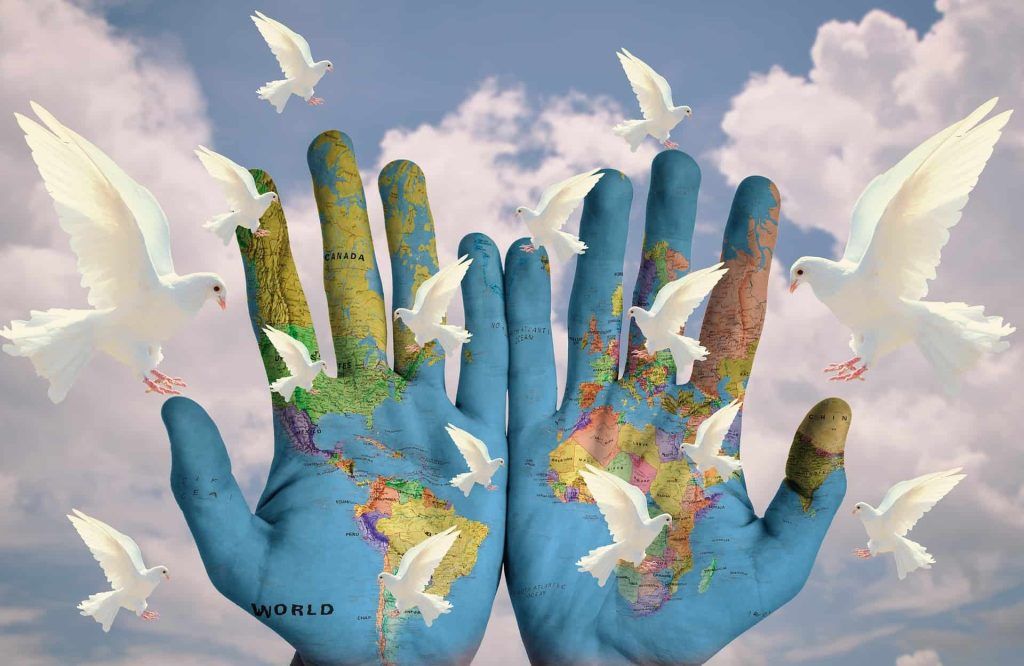
Growing global challenges have pushed nations to strengthen international cooperation in pursuit of lasting peace and stability. Diplomatic engagement, multilateral agreements, and humanitarian collaboration are becoming increasingly important in addressing conflicts, economic disparities, and security threats. As countries work together more closely, the focus is shifting toward prevention, dialogue, and shared responsibility to build a more peaceful and stable world order.
Global Diplomatic Engagement
Multilateral Peace Negotiations
Countries are increasingly participating in multilateral talks to resolve conflicts through dialogue rather than confrontation. These negotiations help reduce tensions and encourage peaceful solutions supported by multiple stakeholders.
Bilateral Cooperation Agreements
Nations are strengthening one-on-one diplomatic ties through bilateral agreements. These partnerships enhance trust, improve communication, and support long-term peacebuilding efforts between countries.
International Mediation Efforts
Neutral international organizations are playing a key role in mediating disputes between conflicting parties. Mediation helps bridge gaps and encourages compromise in sensitive geopolitical situations.
Diplomatic Crisis Management
Governments are developing rapid-response diplomatic strategies to manage conflicts before they escalate. These systems promote early intervention and reduce the risk of widespread instability.
Cultural Exchange Diplomacy
Cultural programs and exchange initiatives are fostering mutual understanding between nations, helping reduce prejudice and build stronger international relationships.
United Nations Peacekeeping Operations
Peacekeeping Mission Deployment
United Nations forces are deployed in conflict zones to maintain peace and stability. These missions help protect civilians and support post-conflict recovery.
Conflict Zone Monitoring
Peacekeeping teams monitor sensitive regions to prevent escalation of violence and ensure compliance with ceasefire agreements.
Humanitarian Assistance Coordination
UN operations provide essential aid, including food, shelter, and medical support, to populations affected by conflict.
Ceasefire Enforcement Support
Peacekeeping forces assist in maintaining ceasefires, ensuring that all parties adhere to agreed-upon terms and reducing violence.
Post-Conflict Reconstruction
International teams support rebuilding efforts in war-torn regions, focusing on infrastructure, governance, and social stability.
Global Security Cooperation
Counterterrorism Alliances
Countries are collaborating to combat terrorism through intelligence sharing and coordinated security operations.
Cybersecurity Collaboration
Nations are working together to address cyber threats that can destabilize critical infrastructure and national security systems.
Intelligence Sharing Networks
International intelligence cooperation helps identify and prevent security threats before they escalate into global crises.
Border Security Coordination
Countries are improving border management systems to prevent illegal activities while maintaining safe and efficient movement.
Arms Control Agreements
Global agreements aim to regulate the production and distribution of weapons to reduce conflict risks worldwide.
Humanitarian Aid and Relief Efforts
Disaster Response Cooperation
Countries are working together to provide rapid assistance during natural disasters, ensuring timely relief and recovery support.
Refugee Assistance Programs
International organizations are coordinating efforts to support displaced populations with shelter, healthcare, and education.
Food Security Initiatives
Global programs aim to reduce hunger by improving food distribution and supporting agricultural development in vulnerable regions.
Medical Aid Collaboration
Nations and NGOs are providing medical support during crises, ensuring access to essential healthcare services.
Emergency Logistics Support
International networks help deliver aid efficiently to affected regions through coordinated transportation and supply systems.
Economic Diplomacy and Stability
Trade Partnership Expansion
Countries are forming trade agreements that promote economic cooperation and reduce geopolitical tensions.
Investment Cooperation Frameworks
International investment agreements encourage cross-border economic development and strengthen diplomatic relations.
Sanctions and Peacebuilding Policies
Economic sanctions are sometimes used alongside diplomatic efforts to encourage peaceful resolution of conflicts.
Development Aid Programs
Wealthier nations provide financial assistance to support infrastructure and development in less stable regions.
Financial Stability Coordination
Global financial institutions work together to maintain economic stability, which supports long-term peace efforts.
Cultural and Educational Exchange
Student Exchange Programs
International education programs allow students to study abroad, promoting cultural understanding and global awareness.
Cultural Diplomacy Initiatives
Countries use arts, music, and heritage programs to strengthen relationships and reduce cultural misunderstandings.
Academic Research Collaboration
Universities across nations collaborate on research projects that address global challenges and promote innovation.
Language Learning Programs
Language education initiatives help bridge communication gaps and improve international cooperation.
Global Awareness Campaigns
Public awareness programs encourage understanding of global issues and promote peaceful coexistence.
Future of Global Peace Cooperation
Digital Diplomacy Platforms
Technology is enabling faster and more efficient diplomatic communication between nations.
AI-Assisted Conflict Prediction
Artificial intelligence is being used to identify early signs of conflict and support preventive diplomacy.
Sustainable Peacebuilding Models
Long-term strategies focus on addressing root causes of conflict, including poverty and inequality.
Youth Engagement in Peace Efforts
Young leaders are increasingly involved in peacebuilding initiatives and global advocacy programs.
Strengthened Global Governance Systems
International institutions are evolving to better manage global challenges and promote peace.
FAQ Section
Why is international cooperation important for peace?
It helps countries resolve conflicts through dialogue instead of violence.
What role does the United Nations play in peacekeeping?
It deploys missions to maintain stability and support conflict resolution worldwide.
How does diplomacy prevent conflicts?
Diplomacy encourages communication and negotiation before tensions escalate.
Can economic cooperation promote peace?
Yes, trade and investment reduce tensions and strengthen mutual interests.
Are young people involved in peace efforts?
Yes, youth participation in global peace initiatives is increasing significantly.
Conclusion
International cooperation is strengthening global peace efforts by promoting diplomacy, collaboration, and shared responsibility among nations. Through peacekeeping missions, humanitarian aid, and cultural exchange, countries are working together to build stability. Continued cooperation and innovative approaches will remain essential in creating a more peaceful and united world for future generations.