

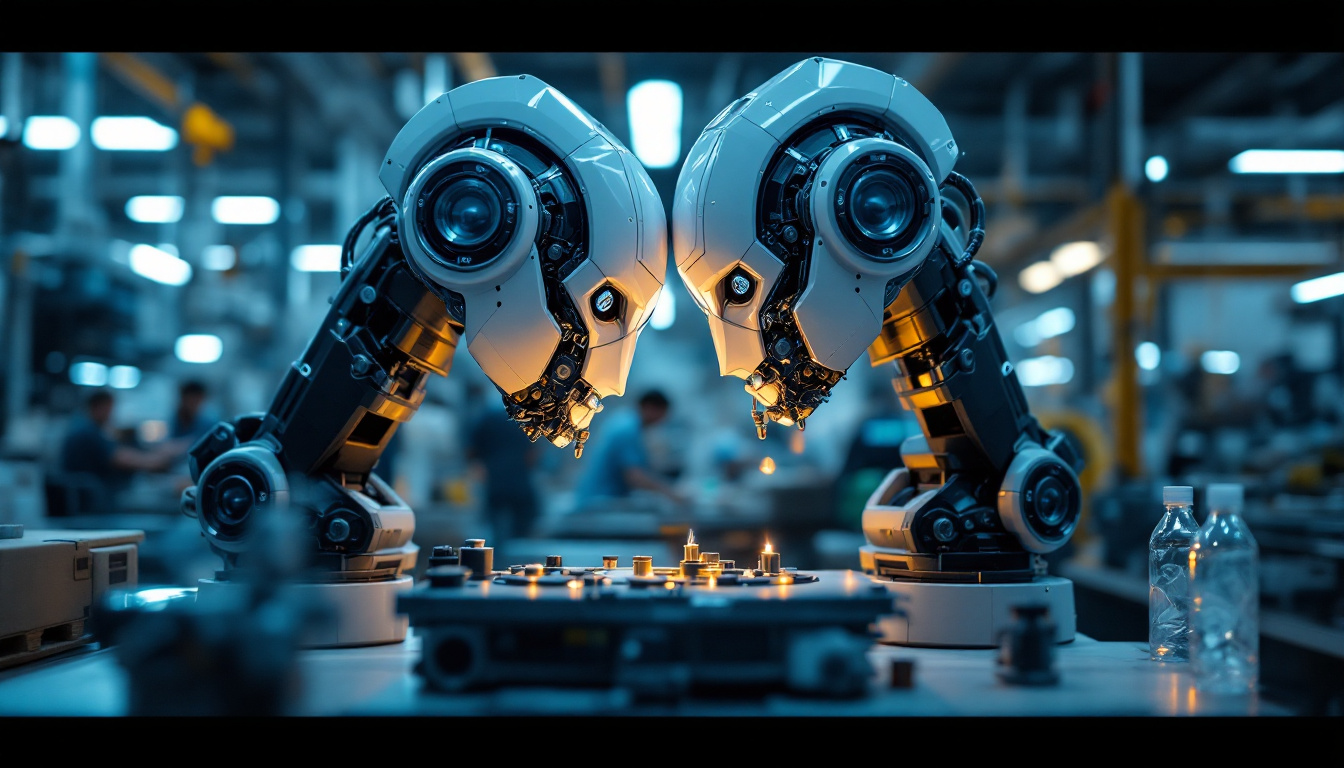
Artificial intelligence is rapidly reshaping how organizations operate by introducing advanced systems that significantly improve automation and productivity. These intelligent solutions are no longer limited to basic task execution; instead, they analyze data, adapt to changing conditions, and optimize workflows in real time. As industries increasingly adopt AI-driven systems, businesses are achieving higher efficiency, reduced operational costs, and faster decision-making, marking a major shift in modern digital operations.
Intelligent Workflow Automation
Process Optimization Engines
Advanced AI systems analyze business workflows to identify inefficiencies and bottlenecks. By restructuring processes automatically, these engines help organizations streamline operations, reduce delays, and improve overall productivity without requiring constant human intervention.
Task Scheduling Intelligence
AI-powered scheduling tools prioritize tasks based on urgency, workload, and resource availability. This ensures that teams operate efficiently, deadlines are met consistently, and productivity is maximized across departments.
Automated Data Processing
Modern AI systems handle large volumes of data quickly and accurately. This reduces manual workload, minimizes errors, and allows businesses to focus on strategic decision-making instead of repetitive processing tasks.
Smart Resource Allocation
AI evaluates resource usage patterns and distributes workloads efficiently. This helps organizations optimize manpower, reduce waste, and ensure that resources are utilized where they are needed most.
Workflow Integration Systems
Advanced automation platforms connect multiple business tools into a unified system. This integration improves communication between departments and ensures smoother execution of tasks across entire organizations.
AI in Business Productivity Enhancement
Performance Analytics Systems
AI tools track employee and system performance in real time. These insights help managers identify strengths, address weaknesses, and improve overall productivity strategies.
Predictive Workload Management
AI predicts future workloads based on historical data and current trends. This allows organizations to prepare in advance and allocate resources more effectively.
Automated Reporting Tools
Business reports are now generated automatically using AI, saving time and reducing human error. These reports provide accurate insights for faster decision-making.
Intelligent Decision Support
AI systems assist executives by analyzing complex datasets and offering actionable recommendations. This improves the quality and speed of business decisions.
Productivity Monitoring Dashboards
Real-time dashboards give organizations a clear view of productivity metrics, helping teams stay aligned with goals and performance targets.
AI-Powered Industrial Automation
Smart Manufacturing Systems
Factories use AI-driven machines to automate production lines. This increases output, improves consistency, and reduces human error in manufacturing processes.
Robotics Integration Platforms
AI-powered robots perform repetitive and complex tasks with high precision. This enhances efficiency and allows human workers to focus on more strategic roles.
Predictive Maintenance Systems
AI monitors equipment health and predicts failures before they occur. This reduces downtime and maintenance costs while improving operational reliability.
Quality Control Automation
AI systems inspect products in real time to detect defects. This ensures higher product quality and reduces waste in production processes.
Supply Chain Automation
AI optimizes logistics by predicting demand and managing inventory automatically, improving supply chain speed and accuracy.
AI in Office Productivity Tools
Smart Email Management
AI filters, organizes, and prioritizes emails automatically. This helps users focus on important communications and reduces inbox overload.
Virtual Meeting Assistants
AI tools transcribe meetings, summarize discussions, and highlight action points. This improves collaboration and reduces manual note-taking.
Document Generation Systems
AI creates reports, proposals, and documents automatically based on input data. This saves time and ensures consistency in formatting and content.
Calendar Optimization Tools
AI manages schedules by finding optimal meeting times and avoiding conflicts, improving time management efficiency.
Task Automation Assistants
Routine office tasks such as reminders and file organization are handled automatically, freeing employees for higher-value work.
AI in Data-Driven Decision Making
Real-Time Analytics Engines
AI processes data instantly to provide real-time insights, enabling faster and more informed business decisions.
Trend Prediction Models
AI identifies emerging trends by analyzing historical and current data, helping businesses stay ahead of market changes.
Risk Assessment Tools
AI evaluates potential risks in operations and investments, improving planning and reducing uncertainty.
Customer Insight Platforms
AI analyzes customer behavior to understand preferences and improve marketing strategies.
Strategic Planning Systems
AI supports long-term business planning by simulating outcomes and recommending optimal strategies.
AI in Workforce Productivity
Employee Performance Tracking
AI monitors productivity levels and provides feedback to help employees improve efficiency and output quality.
Skill Development Platforms
AI identifies skill gaps and recommends personalized training programs for employees.
Remote Work Optimization
AI tools enhance remote collaboration through smart communication and task management systems.
Workload Balancing Systems
AI distributes tasks evenly among employees to prevent overload and improve productivity balance.
Employee Engagement Analytics
AI measures engagement levels and suggests improvements to workplace satisfaction and performance.
AI in Digital Transformation
Cloud-Based Automation Systems
AI-powered cloud platforms enable businesses to automate processes at scale, improving flexibility and efficiency.
Intelligent Enterprise Platforms
Integrated AI systems manage multiple business functions under a unified digital ecosystem.
Scalable Automation Infrastructure
AI solutions scale automatically based on demand, ensuring consistent performance during high workloads.
Cross-Platform Integration Tools
AI connects different software systems, improving workflow continuity across platforms.
Future-Ready Digital Ecosystems
AI enables organizations to build adaptive systems that evolve with changing business needs.
FAQ Section
How does AI improve productivity?
AI automates tasks, analyzes data, and optimizes workflows to increase efficiency.
What industries benefit from AI automation?
Manufacturing, healthcare, finance, retail, and office environments benefit greatly.
Can AI replace human workers?
AI automates repetitive tasks but enhances rather than fully replaces human roles.
How does AI help in decision-making?
It provides data-driven insights and predictive analysis for better decisions.
Is AI automation expensive to implement?
Initial costs vary, but long-term savings and efficiency gains are significant.
Conclusion
Advanced AI systems are transforming automation and productivity across industries by streamlining workflows, improving decision-making, and reducing operational inefficiencies. As these technologies continue to evolve, they will enable businesses to operate faster, smarter, and more efficiently, shaping a future where intelligent automation becomes the foundation of global productivity and digital progress.