

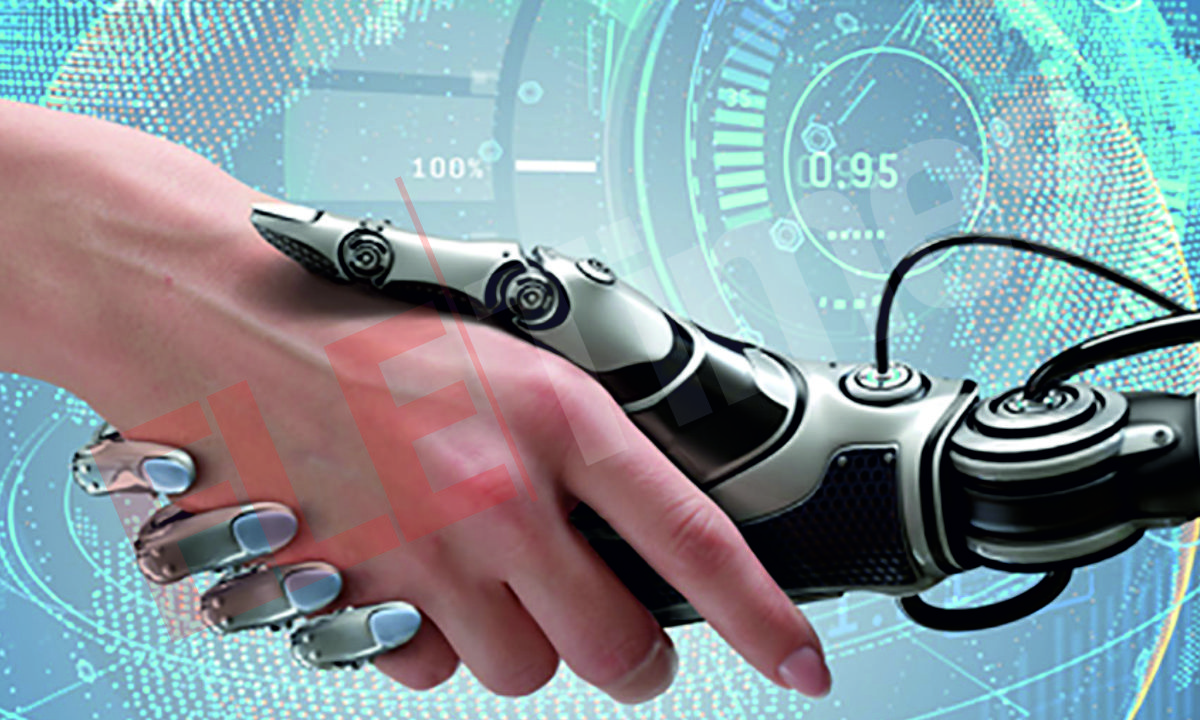
Artificial intelligence is rapidly redefining how humans interact with machines, and the newest generation of AI models is pushing this transformation even further. These advanced systems are no longer limited to simple commands or static responses; instead, they understand context, emotion, and intent with remarkable precision. As a result, human–machine interaction is becoming more natural, intuitive, and deeply integrated into everyday life across personal, professional, and industrial environments.
Natural Language Understanding Evolution
Context-Aware Communication
Modern AI models can interpret not just words but also context, tone, and intent behind human language. This allows conversations with machines to feel more natural, reducing misunderstandings and improving the quality of responses in chatbots, assistants, and enterprise tools.
Conversational Memory Systems
New AI systems can remember past interactions within a conversation or across sessions. This memory capability helps create continuity, enabling users to have more personalized and meaningful long-term interactions with machines.
Multilingual Interaction Capabilities
AI models now support seamless communication across multiple languages. Users can speak or type in their preferred language while machines instantly translate and respond accurately, breaking down global communication barriers.
Emotion-Sensitive Language Processing
Advanced models are beginning to detect emotional cues in text and voice. This allows machines to respond with appropriate tone and empathy, improving user satisfaction in customer service and mental wellness applications.
Adaptive Dialogue Structuring
AI systems dynamically adjust responses based on user behavior and preferences. This creates more fluid and human-like conversations that feel less robotic and more engaging.
Voice and Speech AI Innovations
Real-Time Speech Recognition
AI models now convert speech to text with near-human accuracy, even in noisy environments. This improves accessibility and enables faster voice-based interactions across devices and applications.
Natural Voice Generation
Text-to-speech systems have evolved to produce highly realistic human-like voices. These voices include tone variation, emotion, and pacing, making digital assistants sound more natural and expressive.
Voice Personalization Systems
Users can now customize AI voices according to preference, accent, or style. This personalization enhances user comfort and creates a stronger connection between humans and machines.
Noise-Resistant Audio Processing
Advanced AI filters background noise effectively, allowing clear communication even in challenging environments such as public spaces or industrial settings.
Multimodal Voice Integration
Voice AI is now integrated with visual and textual inputs, enabling systems to understand commands that combine speech with images or gestures for richer interaction.
Multimodal AI Interaction Systems
Image and Text Fusion
AI models can now analyze images and text together, allowing users to ask questions about visuals and receive accurate, contextual explanations in real time.
Video Understanding Intelligence
Advanced systems interpret video content, identifying actions, objects, and events. This enhances applications in surveillance, education, and content analysis.
Gesture-Based Control Interfaces
AI-powered systems now recognize human gestures to control devices. This enables touch-free interaction, especially useful in healthcare, gaming, and industrial environments.
Cross-Modal Reasoning Models
These models combine multiple input types such as voice, text, and visuals to generate more accurate and meaningful responses, improving overall interaction quality.
Immersive Environment Integration
AI is now embedded into augmented and virtual reality systems, enabling users to interact naturally within digital environments using multiple sensory inputs.
AI-Powered Personal Assistants
Intelligent Task Management
Modern assistants can manage schedules, reminders, and workflows automatically. They prioritize tasks based on urgency and user behavior, improving productivity.
Predictive Assistance Features
AI anticipates user needs before they are expressed. This proactive support improves efficiency and reduces the effort required to complete daily tasks.
Contextual Recommendation Engines
Assistants analyze user habits to suggest relevant actions, content, or services, making interactions more personalized and useful.
Cross-Device Synchronization
AI assistants now operate seamlessly across phones, computers, and smart devices, ensuring consistent experiences regardless of platform.
Autonomous Decision Support
Advanced systems can make low-risk decisions on behalf of users, such as scheduling meetings or filtering information, based on learned preferences.
Human-Centered Interface Design
Adaptive User Interfaces
Interfaces now adjust dynamically based on user behavior, making systems easier to navigate and more intuitive over time.
Touchless Interaction Systems
AI enables control through voice, gesture, and eye movement, reducing reliance on traditional input devices like keyboards and touchscreens.
Personalized UX Optimization
User experiences are tailored individually, ensuring that layouts, recommendations, and interactions match personal preferences and habits.
Real-Time Interface Feedback
Systems now respond instantly to user actions, improving responsiveness and creating smoother interaction flows between humans and machines.
Accessibility Enhancement Tools
AI improves accessibility for users with disabilities through speech recognition, text-to-speech, and adaptive navigation systems.
AI in Emotional and Cognitive Computing
Emotion Recognition Systems
AI can detect emotional states through facial expressions, voice tone, and text analysis, allowing more sensitive and appropriate responses.
Cognitive Load Analysis
Systems evaluate user mental effort during tasks and adjust complexity to reduce stress and improve understanding.
Empathetic Response Generation
AI models are trained to respond with empathy, improving user trust and emotional engagement during interactions.
Behavioral Pattern Learning
Machines analyze user behavior over time to predict needs and optimize interaction styles for better experiences.
Human-Like Decision Modeling
AI systems simulate human reasoning patterns to produce more relatable and understandable decisions in complex scenarios.
Future of Human-Machine Collaboration
Co-Creative AI Systems
Humans and AI now collaborate in creative tasks such as writing, design, and innovation, producing hybrid outcomes that blend human imagination with machine intelligence.
Autonomous Work Environments
AI manages entire workflows with minimal human intervention, increasing efficiency in industries like manufacturing, logistics, and digital services.
Intelligent Digital Ecosystems
Connected AI systems communicate with each other to create unified environments that respond dynamically to human needs.
Lifelong Learning Machines
AI continuously evolves by learning from interactions throughout its lifecycle, improving performance and adaptability over time.
Seamless Human Integration
Future systems aim to blend AI into daily life so naturally that interaction becomes invisible, intuitive, and effortless.
FAQ Section
What is new in AI human-machine interaction?
New AI models focus on natural, emotional, and context-aware communication.
How do AI assistants understand humans better now?
They use memory, context analysis, and emotion detection for improved responses.
Are voice AI systems more accurate today?
Yes, modern systems offer highly accurate speech recognition and natural voice output.
What is multimodal AI interaction?
It combines text, voice, images, and gestures for richer communication.
Will AI replace human interaction completely?
No, AI is designed to enhance and support human interaction, not replace it.
Conclusion
New AI models are revolutionizing human–machine interaction by making communication more natural, intelligent, and emotionally aware. With advances in multimodal systems, voice intelligence, and adaptive interfaces, machines are becoming more responsive than ever. As these technologies evolve, they will create seamless collaboration between humans and AI, transforming how people live, work, and connect with digital systems.