

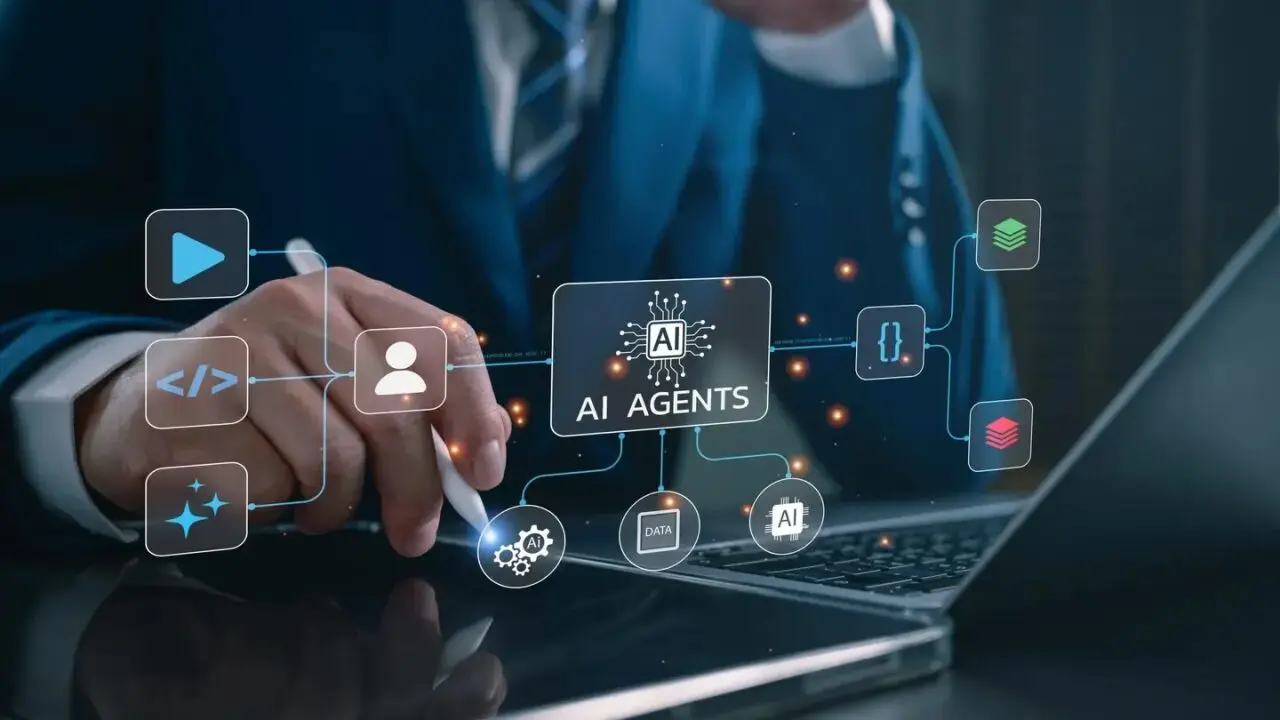
The global technology landscape is entering a new era as major companies accelerate the development of advanced artificial intelligence systems. These breakthroughs are reshaping industries, redefining productivity, and unlocking capabilities that were previously unimaginable. From smarter automation tools to highly capable generative models, AI is becoming the backbone of modern innovation, influencing how businesses operate and how users interact with digital ecosystems.
Next-Generation AI Models
Advanced Language Understanding
Modern AI systems can now interpret human language with remarkable accuracy and context awareness. These models understand nuance, tone, and intent, enabling more natural conversations, improved content generation, and better decision-making support across digital platforms and enterprise applications.
Multimodal Intelligence Systems
AI is evolving beyond text into systems that process images, audio, and video simultaneously. This multimodal capability allows machines to analyze complex environments, generate richer insights, and deliver more human-like interactions across communication and creative platforms.
Scalable Neural Architectures
Tech giants are building scalable AI frameworks capable of handling massive datasets efficiently. These architectures improve speed, reduce latency, and support complex computations, making AI more practical for real-world applications in business, healthcare, and scientific research.
Real-Time Learning Capabilities
New AI systems can adapt dynamically by learning from live data streams. This allows continuous improvement without retraining from scratch, enabling faster responses, better accuracy, and more personalized experiences for users across different platforms and services.
Context-Aware Decision Systems
AI solutions now consider environmental and situational context before generating outputs. This improves relevance in recommendations, predictions, and automated actions, making digital systems more intuitive and aligned with user needs and real-world conditions.
Enterprise AI Transformation
Business Process Automation
AI-driven automation is streamlining corporate workflows by handling repetitive tasks such as data entry, reporting, and scheduling. This reduces operational costs while increasing efficiency and allowing employees to focus on strategic initiatives.
Intelligent Data Analytics
Advanced AI tools analyze large datasets to uncover patterns and insights that guide business decisions. Companies use these insights to improve forecasting, optimize operations, and gain competitive advantages in rapidly changing markets.
Customer Experience Enhancement
AI systems personalize customer interactions through chatbots, recommendation engines, and predictive support. This leads to faster response times, improved satisfaction, and stronger brand loyalty across digital and physical touchpoints.
Smart Decision Support
Executives use AI-powered dashboards that provide real-time insights and predictive analysis. These systems help leaders make informed decisions quickly, reducing uncertainty and improving overall business performance.
Workflow Optimization Platforms
AI platforms coordinate tasks across departments, ensuring smooth collaboration and efficient resource allocation. This improves productivity and reduces delays in project execution within large organizations.
AI in Cloud and Computing Infrastructure
Cloud-Based AI Services
Tech giants are offering AI models as cloud services, making them accessible to businesses of all sizes. This democratizes innovation and reduces the need for expensive in-house infrastructure.
Edge AI Processing
AI is being deployed closer to data sources through edge computing. This reduces latency, improves response time, and enables real-time decision-making in applications like autonomous systems and smart devices.
Distributed Computing Systems
Large-scale AI workloads are distributed across global networks of servers. This enhances performance, scalability, and reliability while supporting complex AI training and inference tasks.
Energy-Efficient AI Hardware
New chips and processors are designed specifically for AI workloads. These innovations reduce energy consumption while improving computational speed, making AI more sustainable and cost-effective.
Secure AI Infrastructure
Tech companies are investing heavily in secure AI environments that protect data integrity and user privacy. These systems ensure safe deployment of AI across sensitive industries like finance and healthcare.
AI in Consumer Applications
Personalized Digital Assistants
AI assistants now offer highly tailored experiences by learning user habits and preferences. They manage schedules, provide reminders, and deliver proactive suggestions in daily life.
Smart Content Recommendation
Streaming platforms and apps use AI to suggest content based on user behavior. This improves engagement by delivering relevant movies, music, and articles aligned with personal interests.
AI-Powered Search Engines
Search technologies have become more conversational and context-driven. Users receive more accurate and meaningful results, reducing the need for multiple queries and improving information discovery.
Real-Time Translation Tools
AI enables instant translation across languages in text and speech. This improves global communication and supports travel, education, and international collaboration.
Creative Content Generation
AI tools assist users in generating images, videos, and written content. This empowers creators, marketers, and businesses to produce high-quality material more efficiently.
AI in Healthcare Innovation
Medical Imaging Analysis
AI systems detect diseases in scans such as X-rays and MRIs with high accuracy. This improves diagnostic speed and supports doctors in making better clinical decisions.
Predictive Health Monitoring
Wearable devices and AI systems predict potential health issues before they become serious. This enables early intervention and improves patient outcomes.
Drug Discovery Acceleration
AI analyzes molecular structures to identify potential drug candidates. This significantly reduces research time and speeds up the development of life-saving treatments.
Personalized Treatment Plans
Healthcare providers use AI to design treatment plans based on individual patient data. This increases treatment effectiveness and reduces adverse side effects.
Remote Healthcare Delivery
Telemedicine platforms powered by AI allow patients to consult doctors from anywhere. This improves accessibility and reduces the burden on hospitals.
AI in Security and Ethics
Advanced Threat Detection
AI systems monitor networks continuously to identify suspicious activity. This helps prevent cyberattacks before they cause damage.
Fraud Prevention Systems
Financial institutions use AI to detect fraudulent transactions in real time. This protects users and reduces financial losses.
Privacy Protection Frameworks
Tech companies are developing AI systems that prioritize data privacy. These frameworks ensure responsible handling of sensitive information.
Ethical AI Development
Organizations are focusing on building fair and unbiased AI systems. This includes improving transparency and reducing algorithmic discrimination.
Regulatory Compliance Tools
AI helps businesses comply with global regulations by automating reporting and monitoring processes, reducing legal risks.
AI in Robotics and Automation
Industrial Robotics Systems
AI-powered robots perform complex manufacturing tasks with precision. This improves productivity and reduces human error in industrial environments.
Autonomous Delivery Systems
Delivery drones and robots use AI to transport goods efficiently. This reduces delivery time and enhances logistics operations.
Smart Warehouse Management
AI optimizes inventory tracking, storage, and retrieval processes in warehouses, improving supply chain efficiency.
Human-Robot Collaboration
Collaborative robots work alongside humans in workplaces, enhancing productivity while ensuring safety and flexibility.
Adaptive Learning Robots
Robots equipped with AI learn from their environment and improve performance over time, making them more efficient and autonomous.
AI Future Trends and Innovations
Artificial General Intelligence Research
Tech giants are exploring systems that mimic human-level reasoning. This represents the next major milestone in AI development.
Quantum AI Integration
Quantum computing combined with AI promises exponential improvements in processing power and problem-solving capabilities.
Sustainable AI Development
Companies are focusing on reducing the environmental impact of AI systems through energy-efficient models and green computing practices.
Hyper-Personalized Experiences
Future AI will deliver deeply personalized digital experiences tailored to individual emotions, preferences, and behavior patterns.
Fully Autonomous Ecosystems
AI-driven systems will manage entire digital environments independently, from homes to cities, with minimal human intervention.
FAQ Section
Why are tech giants investing heavily in AI?
Because AI drives innovation, efficiency, and competitive advantage across industries.
How does AI impact everyday users?
It improves personalization, automation, and digital convenience in daily life.
Is AI replacing human jobs?
AI automates tasks but also creates new opportunities in technology-driven fields.
What industries benefit most from AI?
Healthcare, finance, retail, manufacturing, and digital services benefit significantly.
Is AI safe for long-term use?
Yes, when developed responsibly with strong ethical and security frameworks.
Conclusion
Tech giants are reshaping the future with groundbreaking AI solutions that enhance intelligence, automation, and global connectivity. These innovations are transforming industries, improving user experiences, and driving digital evolution at an unprecedented pace. As AI continues to advance, it will become the foundation of smarter, more efficient, and highly adaptive technological ecosystems worldwide.