

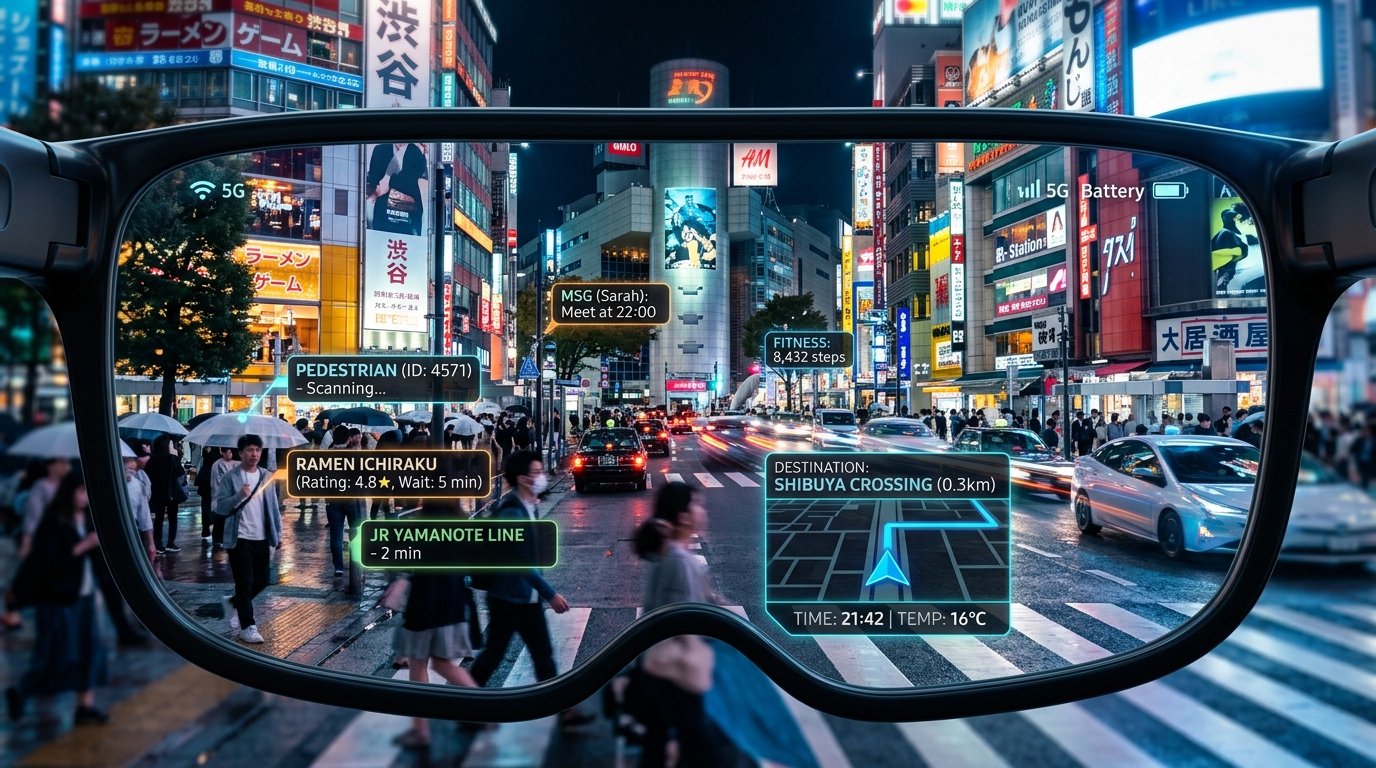
Everyday life is rapidly evolving as new smart devices continue to reshape how people interact with technology in homes, workplaces, and public environments. These intelligent systems are designed to simplify routines, enhance comfort, and deliver highly personalized experiences. From voice-controlled assistants to AI-powered wearables, smart devices are redefining convenience and creating a more connected digital lifestyle that adapts seamlessly to human needs and behaviors.
Smart Home Ecosystem Integration
Unified Device Control
Smart home systems now allow users to control multiple devices through a single platform. This integration improves convenience by connecting lighting, security, and appliances into one interface, enabling smoother daily management and reducing the need for manual adjustments across different systems.
AI-Based Automation
Artificial intelligence enables homes to learn user habits and automate daily routines. From adjusting lighting to managing temperature, AI systems create efficient environments that adapt to preferences, reduce energy consumption, and enhance overall comfort without requiring constant user input or monitoring.
Smart Energy Optimization
Connected devices monitor and regulate energy usage in real time. These systems reduce electricity waste by automatically switching off unused appliances, optimizing consumption patterns, and promoting sustainable living while lowering household utility bills through intelligent energy management strategies.
Remote Home Access
Users can now manage home systems from anywhere using mobile applications. This remote accessibility improves security and convenience, allowing homeowners to monitor cameras, lock doors, and control devices even when they are traveling or away from their property.
Predictive Maintenance Systems
Smart devices detect potential faults before they occur by analyzing performance data. This predictive capability helps users avoid unexpected breakdowns, extend device lifespan, and reduce repair costs through timely alerts and automated maintenance suggestions.
Wearable Smart Technology Evolution
Health Monitoring Wearables
Modern wearables track vital health metrics such as heart rate, oxygen levels, and sleep patterns. These devices provide continuous health insights, enabling users to monitor well-being in real time and take preventive actions for improved lifestyle management.
Fitness Optimization Tools
Smart fitness devices analyze physical activity and offer personalized workout recommendations. By tracking progress and performance, they help users achieve fitness goals more efficiently while maintaining motivation through real-time feedback and adaptive training plans.
Smart Fashion Integration
Technology is now embedded into clothing through sensors and smart fabrics. These innovations enhance comfort, track body conditions, and provide interactive features, merging fashion with functionality for a more intelligent wearable experience.
Augmented Reality Wearables
AR-enabled wearables overlay digital information onto real-world environments. They enhance navigation, learning, and entertainment experiences, allowing users to interact with virtual elements while remaining engaged with their physical surroundings.
Stress and Wellness Tracking
Wearables now detect stress levels through biometric signals and provide relaxation guidance. These devices support mental well-being by offering breathing exercises, mindfulness alerts, and personalized wellness recommendations based on real-time data.
AI-Driven Personal Assistance Systems
Voice-Controlled Interaction
Smart assistants respond to natural language commands, making device control easier and more intuitive. Users can perform tasks hands-free, improving accessibility and simplifying daily activities such as reminders, searches, and device management.
Intelligent Scheduling Support
AI assistants manage calendars and appointments by analyzing user priorities. They automatically organize schedules, reduce conflicts, and suggest optimal time management strategies, helping users stay productive and organized throughout their day.
Context-Aware Suggestions
Smart systems analyze user behavior to provide relevant recommendations. Whether suggesting entertainment, shopping, or tasks, these assistants enhance decision-making by delivering personalized insights tailored to individual preferences and routines.
Task Automation Features
Routine digital tasks such as sending emails or setting reminders are automated by AI systems. This reduces workload, increases efficiency, and allows users to focus on more meaningful and creative activities.
Multilingual Communication Support
AI assistants enable real-time translation and multilingual interaction. This feature breaks language barriers, supports global communication, and enhances travel, business, and educational experiences across different regions.
Smart Entertainment Systems
Personalized Streaming Platforms
Streaming services use AI to recommend movies, shows, and music based on user preferences. This personalization enhances engagement and ensures a more enjoyable and relevant entertainment experience for every individual.
Immersive Gaming Technology
Modern gaming systems integrate AI and high-performance graphics for realistic gameplay. Adaptive difficulty levels and intelligent environments create more engaging and immersive gaming experiences for users of all skill levels.
Connected Audio Systems
Smart speakers and audio devices synchronize sound across multiple rooms. Users can control playback through apps or voice commands, creating seamless and high-quality audio experiences throughout their living spaces.
Virtual Reality Experiences
VR devices transport users into fully immersive digital environments. These systems are widely used for gaming, training, and education, offering interactive experiences that blend reality with virtual simulations.
Interactive Smart Displays
Advanced screens respond to touch, voice, and gestures. These devices enhance user interaction, support multitasking, and provide dynamic content experiences in both home and professional environments.
Smart Healthcare Innovations
Remote Health Monitoring
Connected medical devices track patient health data in real time. Doctors can monitor conditions remotely, enabling early diagnosis and reducing the need for frequent hospital visits while improving patient care quality.
AI-Based Diagnosis Tools
Artificial intelligence assists doctors in identifying diseases through medical imaging and data analysis. This improves diagnostic accuracy, speeds up decision-making, and supports more effective treatment planning for patients.
Smart Medication Systems
Automated dispensers and reminders ensure patients take medications on time. These systems reduce errors, improve treatment adherence, and enhance recovery outcomes for individuals managing chronic conditions.
Digital Health Tracking Apps
Mobile health applications collect and analyze wellness data. Users can track fitness, diet, and sleep patterns, gaining insights that help them make healthier lifestyle choices over time.
Personalized Treatment Planning
AI systems create customized treatment strategies based on patient data. This approach improves effectiveness, reduces side effects, and ensures more precise healthcare tailored to individual needs.
Smart Transportation Systems
Autonomous Driving Technology
Self-driving vehicles use AI and sensors to navigate roads safely. These systems reduce human error, improve traffic efficiency, and offer more convenient transportation solutions for modern users.
Smart Mobility Apps
Ride-hailing and transport apps optimize routes and reduce waiting times. They enhance urban mobility by providing real-time updates, dynamic pricing, and efficient trip planning for users.
Electric Smart Vehicles
Electric vehicles integrated with smart systems offer eco-friendly transportation. They provide real-time diagnostics, navigation assistance, and energy-efficient performance for sustainable travel solutions.
Intelligent Traffic Control
AI-powered traffic systems analyze road conditions to reduce congestion. These systems adjust signals dynamically, improving traffic flow and reducing travel time in urban areas.
Connected Parking Solutions
Smart parking systems guide drivers to available spaces using real-time data. This reduces congestion, saves time, and improves the overall driving experience in busy cities.
Smart Security and Surveillance
AI Surveillance Cameras
Smart cameras use artificial intelligence to detect unusual activity. They enhance security by providing real-time alerts and reducing the need for constant human monitoring.
Biometric Access Systems
Fingerprint and facial recognition technologies improve access control. These systems enhance security by ensuring only authorized individuals can enter protected spaces.
Smart Alarm Systems
Connected alarm systems notify users instantly in case of intrusion. They can be controlled remotely, offering enhanced safety and peace of mind for homeowners.
Real-Time Threat Detection
AI systems continuously analyze environments for potential risks. This proactive approach improves response times and helps prevent security incidents before they escalate.
Cloud-Based Security Storage
Smart security devices store data securely in the cloud. This ensures easy access, backup protection, and improved data management for surveillance systems.
Future-Ready Smart Connectivity
IoT Device Integration
Internet of Things technology connects multiple devices into a unified network. This enables seamless communication, automation, and centralized control across smart environments.
High-Speed Network Systems
Advanced Wi-Fi and 5G technologies ensure fast and stable connectivity. These systems support multiple devices simultaneously, enhancing performance in smart ecosystems.
Edge Computing Devices
Edge computing processes data closer to the source. This reduces latency, improves response time, and enhances efficiency in real-time smart applications.
Cloud-Based Smart Management
Cloud platforms store and manage data from connected devices. This enables remote access, scalability, and efficient system management across different environments.
Adaptive Learning Networks
Smart systems evolve by analyzing user behavior and environmental data. These networks continuously improve performance, making devices more efficient and responsive over time.
FAQ Section
What are smart devices used for?
Smart devices automate tasks and improve convenience through connected digital systems.
How do smart devices improve daily life?
They enhance efficiency, personalization, and comfort in homes and workplaces.
Are smart devices energy efficient?
Yes, many devices optimize energy use and reduce unnecessary consumption.
Do smart wearables track health accurately?
They provide real-time insights, though medical confirmation may still be needed.
Can smart devices work without the internet?
Some functions work offline, but most features require connectivity.
Conclusion
Smart devices are transforming everyday experiences by merging intelligence, automation, and connectivity into daily life. From homes to healthcare and transportation, these technologies enhance comfort, safety, and efficiency. As innovation continues, smart ecosystems will become more intuitive, adaptive, and essential in shaping a fully connected digital future for users worldwide.